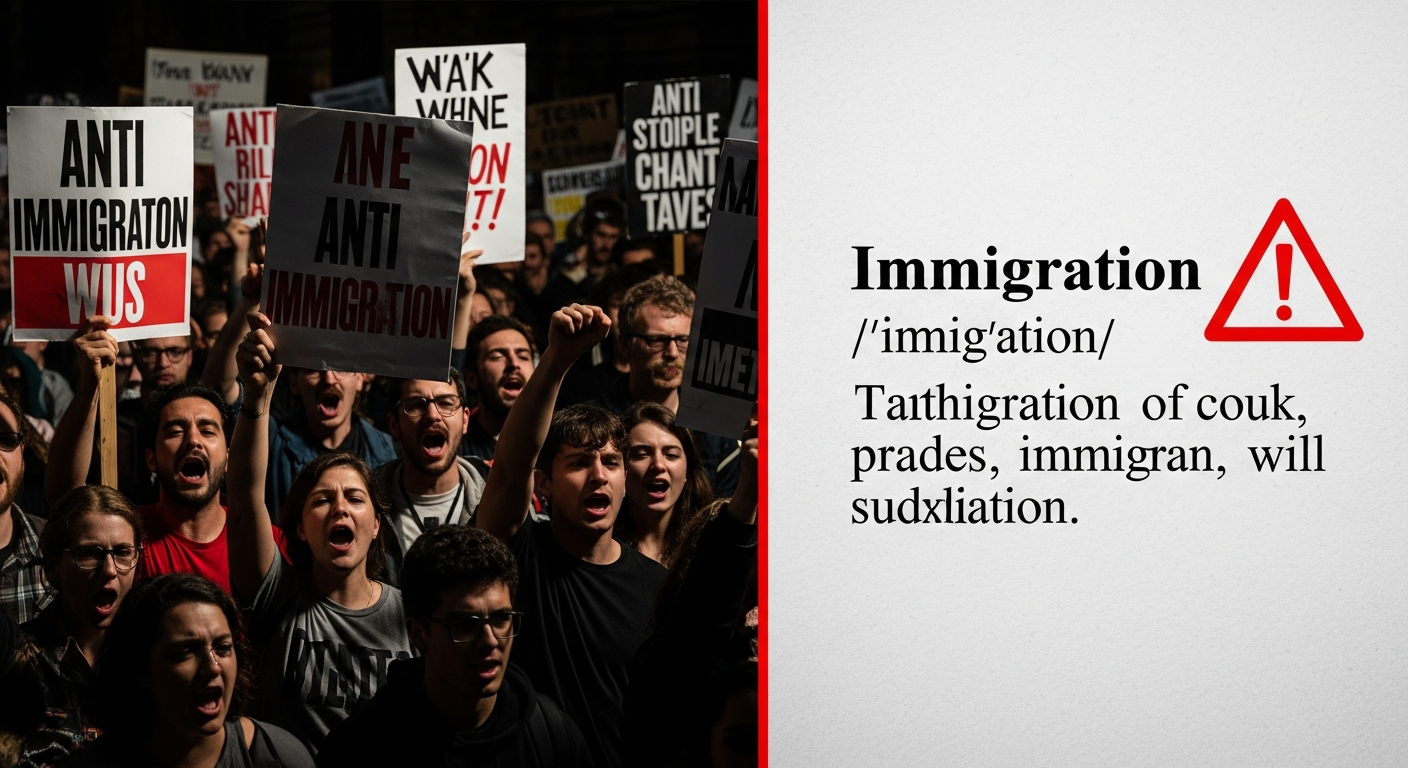
Anti-Immigration Meaning: Simple Explanation & Why It Matters Today
Understanding the anti-immigration meaning has become increasingly important as debates on migration grow worldwide. The term appears everywhere—but what does it actually represent? This guide breaks down the concept in clear, simple terms.
Table of Contents
What Is the Meaning of Anti-Immigration? (Simple Definition)
The anti-immigration meaning refers to a political or social position that opposes immigration or supports stricter controls on who enters and lives in a country. It does not always mean rejecting all migrants. Instead, it often focuses on:
- Reducing immigration numbers
- Tightening border security
- Giving priority to local citizens
- Limiting certain types of visas or refugee admissions
In short, the anti-immigration meaning centers on the belief that a country should protect its borders, workforce, and cultural identity by restricting immigration.
Why Do People Support Anti-Immigration Views?
The anti-immigration meaning is shaped by concerns related to:
1. Jobs and Economic Competition
Supporters believe high immigration may reduce job opportunities for locals, increase competition in low-wage sectors, and strain public resources like healthcare or housing.
2. Cultural Identity and Social Change
For many, the anti-immigration meaning also involves a fear that too much immigration changes national traditions, that local customs or languages may decline, or that integration challenges may lead to tension.
3. Security and Border Control
Some argue that strict immigration policies help reduce illegal entry, prevent criminal activity, and maintain tighter control over who enters the country.
Historical Roots of the Anti-Immigration Meaning
The anti-immigration meaning has existed for decades. For example, the UK experienced anti-immigration sentiment during EU free movement, and Australia once enforced the “White Australia Policy,” shaping early attitudes toward migration. These historical moments continue to influence debates today.
Why Is Anti-Immigration in the News Today?
The anti-immigration meaning remains relevant due to rising protests, political campaigns, and global migration shifts. Factors driving renewed discussions include economic challenges, rising housing costs, refugee arrivals, and political leaders using immigration as a key election issue.
Impact of Anti-Immigration Views
Understanding the anti-immigration meaning also requires looking at how these views affect society, from creating social tensions to influencing policy changes and impacting the immigrant experience through discrimination and hostility.
Is Anti-Immigration Sentiment Growing Worldwide?
Many countries are seeing increased interest in the anti-immigration movement, especially as economic conditions tighten and global migration increases. In Europe, the UK, Australia, and the US, political parties often highlight immigration as a top concern.
Conclusion
The anti-immigration meaning goes beyond a simple dislike of immigration. It reflects deeper concerns about the economy, culture, identity, and security. As migration continues to rise globally, understanding the full anti-immigration meaning helps explain why these debates and protests continue today.
FAQs: Anti-Immigration Meaning
It refers to opposing immigration or wanting stricter rules on who can enter a country.
Not always. It often means limiting the number of immigrants, not stopping immigration completely.
Economic pressure, rising housing costs, and global conflicts are increasing public debates around migration.
Not necessarily, but concerns about cultural identity can sometimes overlap with discriminatory views.
Because it shapes public debate, influences political decisions, and guides future immigration laws, understanding this sentiment is essential.