Canada To Require Language Tests For Open Work Permits In 2026
Table of Contents
- Introduction
- What Are Language Requirements in Immigration?
- Understanding Canada’s 2026 Policy Change
- Why Is Canada Introducing This Requirement?
- Impact on International Workers
- How to Prepare for Language Tests
- Exceptions and Special Cases
- Comparisons With Other Countries
- The Role of Employers and Immigration Consultants
- Potential Challenges for Applicants
- Government Support and Resources
- Feedback From the Public and Stakeholders
- Future of Open Work Permits in Canada
- Final Thoughts
- FAQs
Introduction
Canada is making things better for foreign workers! Starting in 2026, anyone applying for an Open Work Permit will need to pass an official language test. Whether you're planning to work temporarily or join your spouse already in Canada, this change is going to affect you big time.
What Are Open Work Permits?
An Open Work Permit (OWP) allows foreign nationals to work for any employer in Canada, without needing a specific job offer or an LMIA (Labour Market Impact Assessment). It's a popular option for international graduates, spouses of skilled workers or students, and others in transition.
The Big Change Coming in 2026
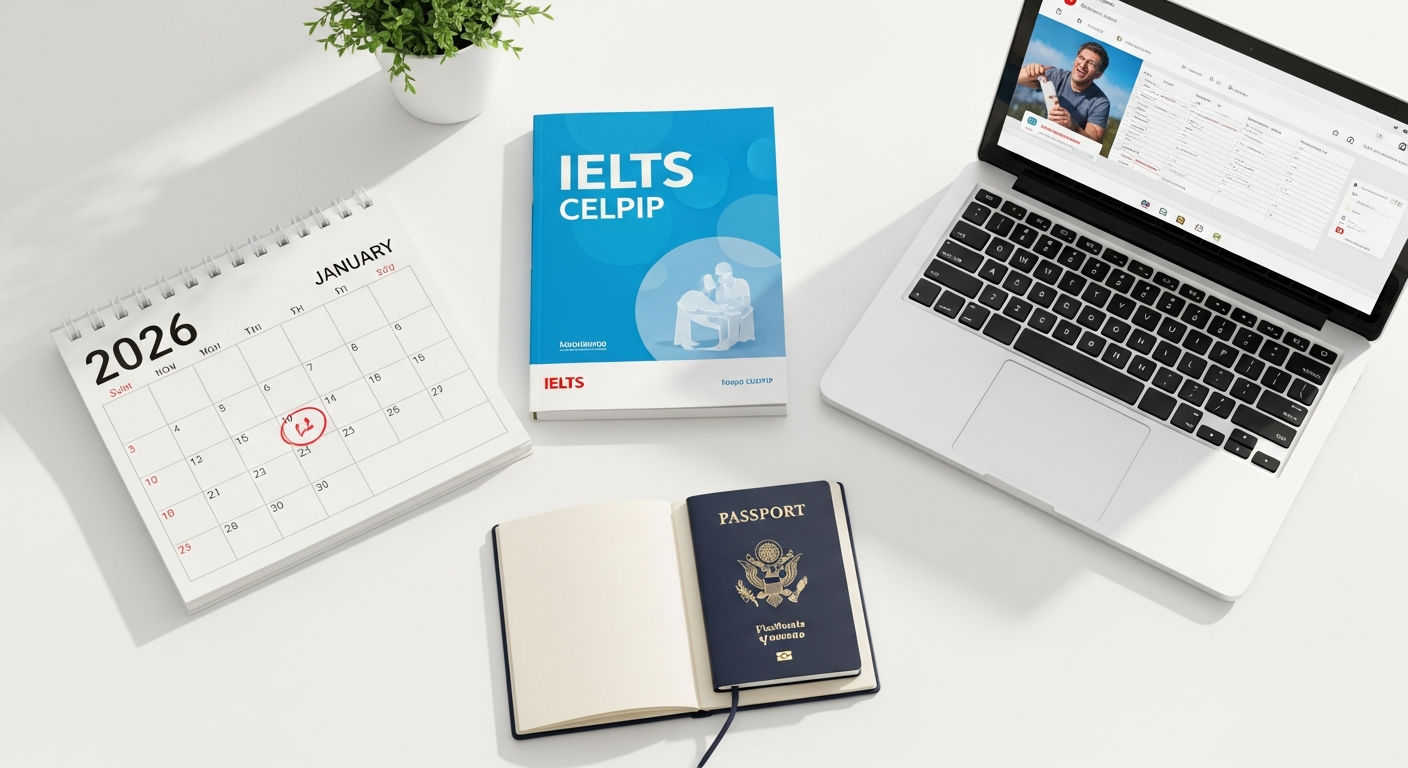
From January 2026, language proficiency testing will be mandatory to get an Open Work Permit. You’ll need to prove your ability to speak, read, write, and understand either English or French—Canada’s two official languages.
What Are Language Requirements in Immigration?
Canada already requires language tests for permanent residency through Express Entry and other programs. Tests like IELTS, CELPIP (for English), and TEF Canada (for French) are commonly used.
Common Language Tests
- IELTS General Training
- CELPIP – General
- TEF Canada / TCF Canada (for French-speaking applicants)
Understanding Canada’s 2026 Policy Change
When Will It Start?
The policy takes effect in January 2026, giving applicants over a year to prepare.
Who Will Be Affected?
The change will apply to new Open Work Permit applicants, spouses of skilled workers and students, and those with Bridging Open Work Permits.
Expected Language Proficiency Levels
While official rules are pending, applicants should aim for at least CLB 4–5 (Canadian Language Benchmark), which is enough for basic workplace conversations.
Why Is Canada Introducing This Requirement?
This requirement is being introduced to address labor market needs, ensure better integration of workers into the community, and reduce the risk of exploitation and communication barriers on job sites.
Impact on International Workers
This policy could be more challenging for low-skilled workers. Temporary workers may need to secure employer-specific permits, and international students transitioning from a PGWP to another open permit may also need to take the test.
How to Prepare for Language Tests
Tips to Improve English or French Skills
- Watch English/French TV shows.
- Use language learning apps like Duolingo or BBC Learning English.
- Practice speaking with friends or in language coaching groups.
- Use official IELTS/CELPIP practice books and take mock tests.
Exceptions and Special Cases
Certain refugees, humanitarian applicants, or those under specific internal policies might be exempt. Applicants in vulnerable situations may receive extended timelines or conditional permits. Employer-specific, LMIA-based permits might not require a language test, but details are yet to be confirmed.
Comparisons With Other Countries
Both Australia and the UK already require language tests for most work and immigration visas. By implementing this rule, Canada is aligning with a global trend where countries increasingly ask workers to prove they can communicate effectively.
The Role of Employers and Immigration Consultants
Employers will need to confirm their workers meet language benchmarks and possibly assist in test preparation. Immigration advisors should update clients, recommend prep resources, and help them choose the right language test.
Potential Challenges for Applicants
Applicants may face challenges such as the cost of tests (around $200–$300), limited availability of test centers in some countries, and the risk of application delays if their paperwork isn't complete.
Government Support and Resources
The government is expected to provide support through free language classes like LINC (Language Instruction for Newcomers to Canada), community center programs, and potential funding for test preparation. Public awareness campaigns will also be launched before 2026.
Feedback From the Public and Stakeholders
Immigrant communities have expressed anxiety, especially those from low-literacy backgrounds. Legal experts suggest the policy should include flexible benchmarks and be implemented with support, not punishment, to avoid discrimination.
Future of Open Work Permits in Canada
This change is part of Canada's move toward a skills-first immigration model. Beyond 2026, we can expect more digital applications, language testing integrations, and tech-assisted verification tools.
Final Thoughts
Canada's move to require language testing for Open Work Permits by 2026 marks a turning point. While it promotes better integration and safety, it also puts the onus on applicants to prepare, invest, and adapt. If you’re planning to work in Canada, now’s the time to start preparing for your language test!
FAQs
It’s a type of work permit that lets you work for any employer without a specific job offer or LMIA.
Yes, most spousal open work permits will likely require a language test after 2026.
Yes! The requirement kicks in from January 2026, so applications submitted in 2025 are not affected.
With some preparation, most people can reach the expected CLB 4–5 level, which is a basic conversational proficiency.
Yes, the government is expected to offer support through free language classes and potential funding programs.